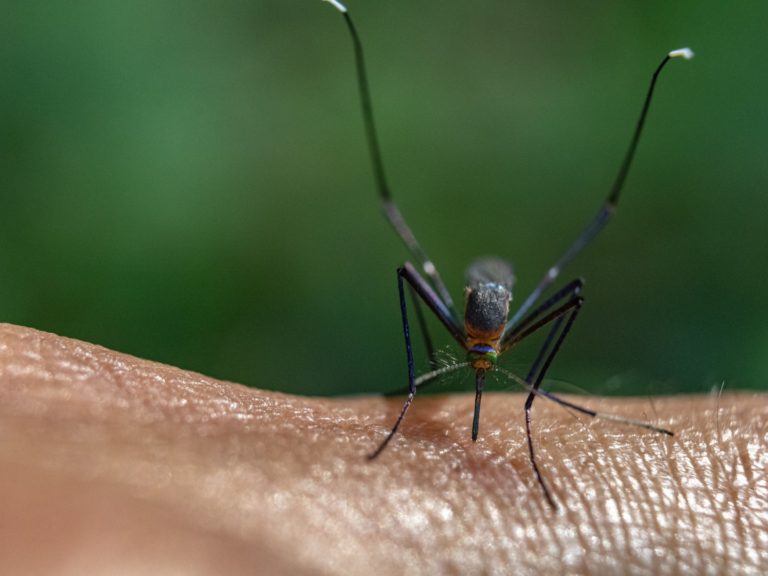
During the warmer months, outdoor activities become a staple for families looking to enjoy the natural beauty and fresh air. However, with this enjoyment comes the inevitable threat of mosquitoes and ticks. These pests are more than just a nuisance; they pose serious health risks, transmitting diseases such as West Nile virus, Lyme disease, and more. It is vital to implement effective mosquito and tick control strategies to ensure the safety and well-being of your family. This article explores practical tips and strategies to keep these pests at bay, allowing your family to enjoy the outdoors safely.
Understanding the Threat of Mosquitoes and Ticks
Mosquitoes and ticks are not only irritating but also dangerous carriers of various diseases. Mosquitoes are known vectors for diseases such as malaria, dengue fever, and Zika virus. Ticks, on the other hand, can transmit Lyme disease, Rocky Mountain spotted fever, and other tick-borne illnesses. Understanding the threat they pose is the first step in implementing effective control measures.
Effective Mosquito Control Strategies
Controlling mosquito populations requires a multi-faceted approach. Here are some effective strategies:
- Eliminate standing water: Mosquitoes breed in stagnant water. Regularly empty containers, fix leaky faucets, and clean gutters to prevent water accumulation.
- Use mosquito repellents: Apply EPA-approved repellents on exposed skin and clothing to ward off mosquitoes.
- Install screens: Ensure that windows and doors are fitted with screens to keep mosquitoes out of the home.
- Consider professional services: For a more comprehensive approach, consider engaging mosquito and tick control services to manage and reduce mosquito populations effectively.
Tick Prevention Tips
Ticks are most active in warm, humid conditions and are often found in wooded and grassy areas. To prevent tick bites, follow these tips:
- Wear protective clothing: When in tick-prone areas, wear long sleeves, pants, and light-colored clothing to easily spot ticks.
- Use tick repellents: Similar to mosquitoes, use repellents containing DEET or permethrin to deter ticks.
- Conduct tick checks: After spending time outdoors, thoroughly check yourself, children, and pets for ticks.
- Create tick-safe zones: Keep lawns mowed, remove brush and leaf litter, and create barriers between wooded areas and recreational spaces.
Home and Garden Maintenance
Maintaining a tick and mosquito-free environment starts in your backyard. Implement these maintenance tips to further reduce the presence of these pests:
- Landscaping: Trim shrubs and trees to increase sunlight and airflow, reducing the dampness that attracts mosquitoes.
- Water features: If your garden includes ponds or fountains, consider introducing mosquito-eating fish or installing recirculating pumps to keep water moving.
- Planting: Consider planting mosquito-repellent plants such as citronella, lavender, and marigolds to naturally deter mosquitoes.
Leveraging Community Resources
Tackling mosquito and tick infestations can be more effective when communities work together. Here?s how community resources can be utilized:
- Community clean-up days: Organize or participate in community events focused on removing debris and potential breeding grounds.
- Public health resources: Stay informed about local outbreaks and health advisories through public health departments.
- Collaborative efforts: Encourage neighborhood initiatives to collectively hire professional services for widespread mosquito and tick control.
Conclusion
The health and safety of your family are paramount, and taking proactive steps against mosquitoes and ticks is essential. By employing a combination of personal protection, home maintenance, and community efforts, the risks posed by these pests can be significantly reduced. Remember to stay informed about the latest control techniques and consider professional mosquito and tick control services for comprehensive solutions. With these measures in place, you can enjoy the great outdoors without the worry of these pesky intruders.
About the Author