Managed Service Providers (MSPs) play a crucial role in overseeing the IT operations of businesses across various industries. As technology continues to evolve, the demand for efficient and robust service desk solutions has grown exponentially. The right MSP software can transform the way service desks operate, offering seamless management and enhanced customer satisfaction. This guide explores essential features of MSP service desk software, helping organizations make informed decisions to optimize their IT service management.
Key Features of MSP Service Desk Software
Comprehensive Ticketing System
A fundamental feature of any msp service desk software is a comprehensive ticketing system. It allows service providers to manage, track, and resolve client issues efficiently. Key components include:
- Automated ticket creation and assignment to streamline workflows.
- Customizable ticket categorization and prioritization for better resource allocation.
- Integrated email notifications to keep all stakeholders informed.
- Advanced search and filtering options for quick access to critical information.
Robust Knowledge Base
An effective knowledge base empowers both the service desk team and clients by providing instant access to solutions and best practices. Features to look for include:
- Easy-to-navigate interface for both staff and clients.
- Regularly updated articles and FAQs to address common issues.
- Searchable content with keyword tagging to enhance discoverability.
- Integration with the ticketing system for quick reference and resolution.
Real-Time Reporting and Analytics
For MSPs aiming to deliver top-tier services, understanding the intricacies of their operations through data is vital. Effective service desk software should offer:
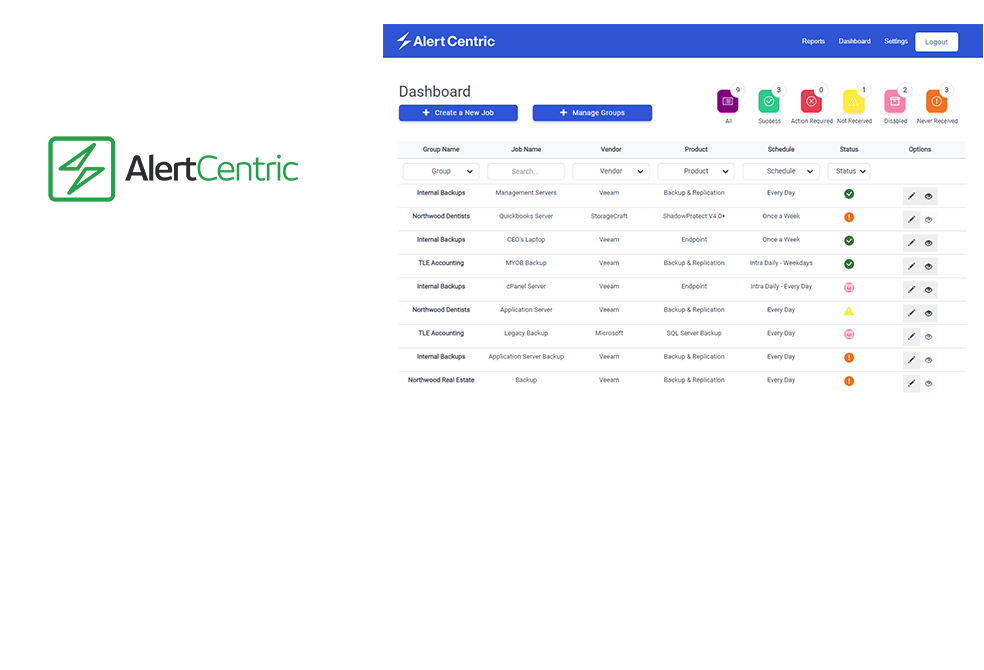
- Customizable dashboards to monitor key performance indicators.
- Detailed reports on ticket resolution times, service level agreements (SLAs), and client satisfaction.
- Trend analysis to predict potential service disruptions.
- Integration with third-party analytics tools for deeper insights.
Seamless Integration Capabilities
The ability to integrate with existing IT infrastructure and third-party applications ensures a cohesive environment where data flows seamlessly. Important integration capabilities include:
- Compatibility with popular CRM, ERP, and project management software.
- APIs for custom integrations and automation of repetitive tasks.
- Support for cloud-based services to enhance accessibility and scalability.
Choosing the Right MSP Service Desk Software
Selecting the right software requires a thorough analysis of current and future needs. Consider the following:
- Evaluate the software’s scalability to accommodate business growth.
- Analyze user feedback and case studies to gauge real-world performance.
- Ensure robust security features to protect sensitive data.
- Verify the availability of dedicated customer support and training resources.
For more information on selecting and implementing leading msp software, explore comprehensive resources available online.
Conclusion
Investing in the right MSP service desk software is a strategic decision that can significantly enhance service delivery and client satisfaction. By focusing on the critical features outlined in this guide, MSPs can ensure they choose a solution that not only meets their current needs but also scales with future demands. Emphasizing factors like ticketing efficiency, knowledge management, analytics, and integration capabilities will lead to a more streamlined and productive service desk experience.
About the Author