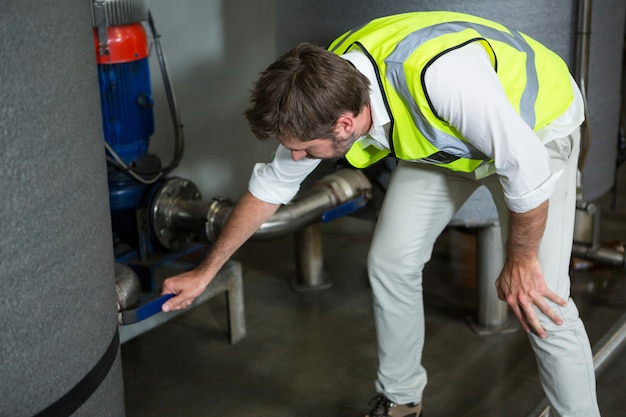
Water damage in homes and businesses can be a daunting ordeal, especially when it strikes unexpectedly. From severe weather conditions to plumbing failures, the causes of water damage are numerous and often unpredictable. Philadelphia, with its unique climate and infrastructure, presents specific challenges in water damage restoration that demand professional expertise. Understanding these challenges and employing advanced restoration techniques are crucial for effectively addressing water damage and preventing future issues.
Understanding Water Damage in Philadelphia
Philadelphia’s historic architecture and diverse climate conditions make it susceptible to various types of water damage. Recognizing the sources and implications of water intrusion is the first step toward effective restoration.
- Climate Variability: Philadelphia experiences a wide range of weather conditions, from heavy rainfall to snow and ice, each contributing to potential water damage.
- Infrastructure Concerns: Aging plumbing systems and historical buildings often have vulnerabilities that can lead to leaks and flooding.
- Water Table Levels: Fluctuating water table levels in certain areas can exacerbate basement flooding and seepage issues.
To tackle these challenges, employing professional water damage restoration services is vital. Discover expert strategies here for dealing with water damage in the city.
Advanced Restoration Techniques
Effective water damage restoration requires a combination of cutting-edge technology and expert knowledge. The methods employed by professionals focus on both immediate damage control and long-term prevention.
Immediate Response and Assessment
Time is of the essence when dealing with water damage. Rapid response and thorough assessment are critical in minimizing damage and costs.
- 24/7 Emergency Services: Immediate response teams are essential for addressing urgent situations.
- Comprehensive Inspection: A detailed evaluation helps identify the extent of water damage and the necessary restoration measures.
Learn about our tailored solutions for rapid water damage assessment here.
State-of-the-Art Drying and Dehumidification
Advanced equipment is employed to thoroughly dry and dehumidify affected areas, preventing mold growth and structural deterioration.
- High-Powered Fans and Dryers: These tools expedite the drying process, reducing downtime.
- Industrial Dehumidifiers: Critical for maintaining optimal humidity levels and preventing further moisture-related damage.
Explore advanced guides and tips on effective drying techniques here.
Preventive Measures and Future-Proofing
Beyond immediate restoration, implementing preventive measures is crucial in safeguarding properties against future water damage.
Regular Maintenance and Inspections
Routine checks and maintenance of plumbing and drainage systems can avert potential water-related disasters.
- Scheduled Inspections: Regularly checking for leaks and weaknesses in plumbing systems.
- Drainage System Maintenance: Ensuring that gutters and downspouts are clear and functional.
Find out more about this approach to preventive maintenance and future-proofing here.
Advanced Waterproofing Solutions
Investing in waterproofing solutions can significantly reduce the risk of water damage, especially in vulnerable areas like basements and attics.
- Basement Waterproofing: Techniques to prevent water seepage and flooding.
- Sealant Applications: Using high-quality sealants to protect vulnerable surfaces.
Explore the benefits of advanced waterproofing solutions and techniques here.
In conclusion, water damage restoration in Philadelphia necessitates a comprehensive understanding of local challenges, immediate and effective response, and long-term preventive strategies. By integrating expert knowledge and cutting-edge technology, effective restoration can be achieved, protecting properties and ensuring peace of mind.
About the Author