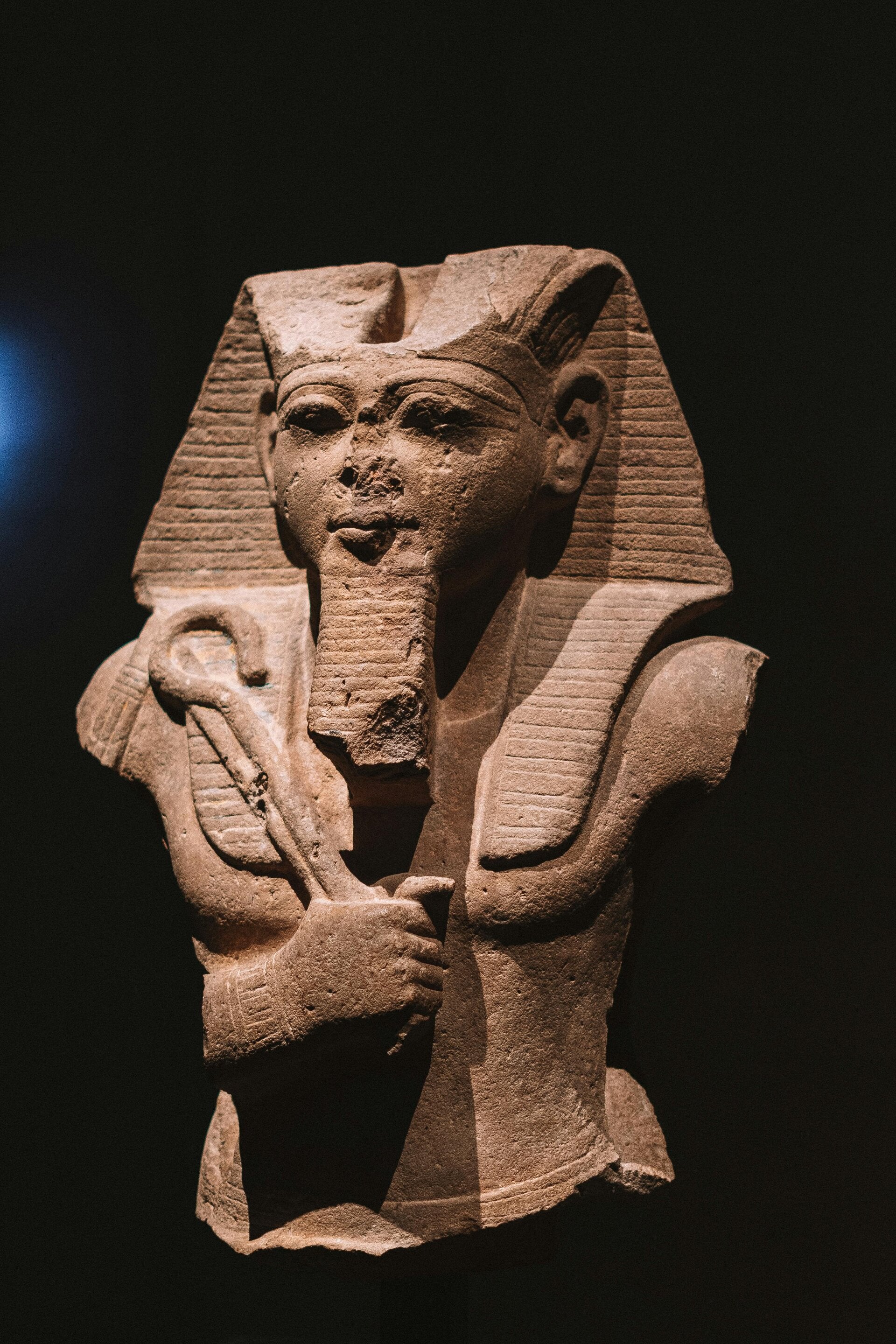
Ancient Egyptian statues have long captivated historians, archaeologists, and art enthusiasts alike. The grandiose and intricate sculptures offer a window into the civilization that crafted them, providing insight into the beliefs, politics, and daily life of ancient Egypt. These statues were not mere decorations; they were imbued with symbolism and significance, representing deities, pharaohs, and everyday people. Understanding the rich history of these statues not only enhances appreciation for ancient art but also deepens knowledge of the cultural and religious practices that shaped one of history’s most enigmatic civilizations.
The Symbolism Behind Ancient Egyptian Statues
The ancient Egyptians were meticulous in their artistic endeavors, ensuring that every piece of art conveyed a specific message or symbol. Statues were often used to:
- Depict Deities: Many statues represented gods and goddesses, embodying their power and presence on earth. These statues were often placed in temples and served as focal points for worship.
- Honor Pharaohs: Pharaohs, considered divine rulers, were frequently immortalized in stone. These statues were not just portraits but were believed to house the spirit of the pharaoh, ensuring their influence continued even after death.
- Portray the Afterlife: Statues placed in tombs served a protective function, guarding the deceased and ensuring a safe passage to the afterlife.
The construction and placement of ancient Egyptian statues were governed by strict conventions and religious beliefs, making them essential artifacts for understanding the spiritual and political framework of the time.
Materials and Techniques
Choice of Materials
The choice of material for crafting statues was not arbitrary. It was often dictated by the intended purpose of the statue and the resources available. Common materials included:
- Stone: Limestone, sandstone, and granite were popular for their durability. Granite, in particular, was favored for statues intended to last eternally, reflecting the belief in the immortality of the soul.
- Wood: More accessible than stone, wood was often used for smaller statues or those intended for private devotion.
- Metal: Although more costly, metals like bronze were sometimes used, particularly for statues representing deities.
Artistic Techniques
The ancient Egyptians employed a variety of techniques to create their sculptures, each requiring a high level of skill and precision. Techniques included:
- Carving: Stone statues were meticulously carved using chisels and other tools, with artisans taking great care to ensure the accuracy of the representation.
- Painting: Many statues were painted to enhance their realism and convey additional symbolic meanings through color.
- Inlaying: Precious stones and metals were often inlaid into statues to add detail and value, especially in representations of deities and royalty.
These techniques highlight the sophistication and artistry of the ancient Egyptians, whose skills are still revered today.
The Evolution of Egyptian Statues
Over the millennia, the style and form of Egyptian statues evolved, reflecting changes in religious practices, political climates, and artistic tastes. Notable periods include:
- Old Kingdom: Known for its rigid and formal style, emphasizing the divine nature of pharaohs.
- Middle Kingdom: Introduced more realism and individualized features, reflecting a shift towards personal expression.
- New Kingdom: Marked by increased complexity and grandeur, with large temples housing numerous statues of deities and pharaohs.
This evolution is evident in the vast array of egyptian sculptures online, showcasing the diversity and richness of ancient Egyptian art.
Conclusion
Ancient Egyptian statues are much more than relics of the past; they are profound expressions of a civilization that valued art as a means of connecting with the divine and preserving the legacy of its rulers. These statues continue to inspire awe and admiration, serving as timeless testaments to the ingenuity and spiritual depth of ancient Egypt. For those interested in exploring these treasures further, a wealth of information and resources is available, offering a deeper dive into the world of ancient Egyptian art and culture.
About the Author