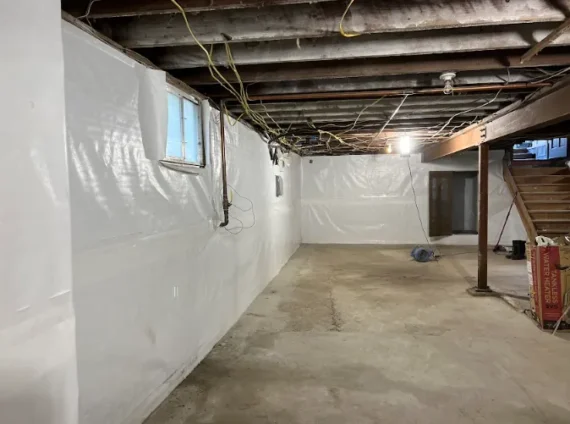
Basement repairs in Texas present unique challenges due to the state’s diverse climate, expansive clay soils, and varying groundwater levels. Homeowners and property managers who overlook early signs of moisture intrusion, structural shifting, or foundation cracks risk escalating costs and potential safety hazards. Engaging seasoned professionals who understand regional geotechnical conditions can dramatically reduce downtime, preserve property value, and ensure long-term durability. The following guide outlines critical considerations when selecting a qualified contractor and highlights best practices for successful basement restoration projects.
Key Factors When Choosing a Basement Repair Contractor
Selecting a contractor goes beyond a simple price comparison. It requires evaluating technical competence, local experience, and a commitment to transparent processes. Below are essential criteria that distinguish truly expert service providers:
- Licensing and Insurance: Verify that the contractor holds a valid Texas state license for structural repairs and carries comprehensive liability coverage.
- Specialized Experience: Look for firms that have completed multiple projects involving foundation underpinning, waterproofing membranes, and drainage system installations in Texas soils.
- Reputation and References: Request recent client testimonials and examine case studies that demonstrate problem-solving capabilities.
- Detailed Written Estimates: A thorough proposal should itemize labor, materials, permits, and a clear timeline.
- Warranty Terms: Reliable contractors typically offer warranties ranging from one to five years on structural work and waterproofing systems.
Common Basement Issues in Texas and Their Solutions
Moisture Intrusion and Water Damage
High water tables and seasonal rainstorms often lead to hydrostatic pressure against basement walls. Effective mitigation involves a combination of exterior and interior measures:
- Exterior French drains paired with proper grading to divert surface runoff.
- Interior sump pump installation with battery backup for power outages.
- Application of vapor-tight waterproofing membranes on interior walls.
- Installation of dehumidification units to maintain relative humidity below 60%.
For a comprehensive overview of waterproofing techniques, Discover expert strategies here.
Foundation Cracks and Structural Shifting
Clay soil expansion and contraction can cause foundation movement, leading to vertical or horizontal cracks. Addressing these issues typically requires:
- Underpinning with helical piers or push piers to stabilize footings.
- Installation of wall anchors and steel braces for bowing walls.
- Precision crack injection using epoxy or polyurethane for water-tight sealing.
Detailed guidance on selecting the appropriate underpinning method can be found by Learn about our tailored solutions.
Improper Drainage and Sump System Failures
Even a well-designed drainage system can falter if components are undersized or clogged. Routine inspection and maintenance are vital. Recommended practices include:
- Cleaning sump pump intakes and discharge lines at least twice a year.
- Testing pump activation with a bucket of water to verify automatic operation.
- Installing check valves to prevent backflow during heavy rain events.
Additional insights on maintaining drainage efficiency are available at Explore advanced guides and tips.
Project Workflow: From Assessment to Completion
A professional contractor follows a systematic workflow that minimizes disruption and maximizes results. The typical stages are:
- Site Evaluation: Comprehensive inspection of structural elements, moisture sources, and existing drainage.
- Diagnostic Report: Documentation of findings, recommended interventions, and cost estimates.
- Permitting: Coordination with local building authorities to secure necessary permits.
- Construction Phase: Execution of structural repairs, waterproofing installation, and system integration.
- Final Inspection: Verification of code compliance and performance testing of water management systems.
- Post-Project Support: Provision of maintenance schedules and warranty documentation.
For a deeper dive into each phase, Find out more about this approach.
Cost Considerations and Return on Investment
Basement repair costs in Texas can vary widely based on the severity of damage, square footage, and chosen materials. Typical price ranges include:
- Basic waterproofing: $3,000 – $7,000
- Foundation underpinning: $8,000 – $15,000
- Full structural renovation (including walls, flooring, and finishes): $20,000 – $45,000
While the upfront expense may appear substantial, the long-term benefits, prevented water damage, increased property resale value, and reduced insurance premiums, often offset the initial outlay. Moreover, a well-executed repair can extend the functional lifespan of a home by decades.
Maintaining a Healthy Basement After Repairs
Post-repair maintenance is essential to preserve the integrity of the work performed. Recommended practices include:
- Seasonal inspection of exterior grading and downspout extensions.
- Periodic testing of sump pump operation, especially before the rainy season.
- Monitoring humidity levels with a digital hygrometer and running dehumidifiers as needed.
- Promptly addressing minor cracks or water stains before they expand.
A proactive maintenance schedule can be developed by consulting resources such as Explore advanced guides and tips.
Conclusion
Choosing an expert basement repair contractor in Texas hinges on evaluating technical credentials, local experience, and a transparent service model. By understanding common basement challenges, following a structured project workflow, and committing to ongoing maintenance, property owners can safeguard their investments and enjoy a dry, stable, and functional lower level for years to come. The integration of proven repair methodologies and region-specific expertise ensures that each project meets the highest standards of safety and durability.
About the Author