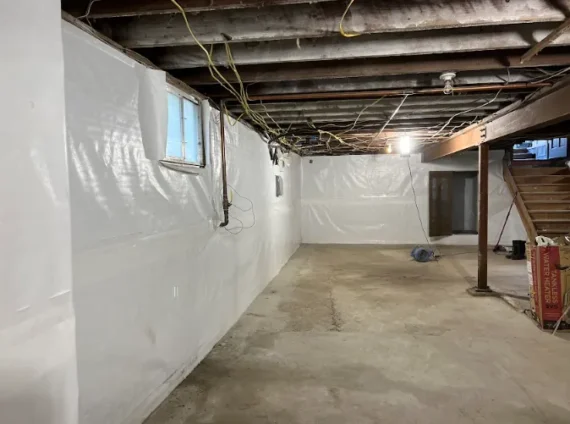
Basement water intrusion is one of the most common yet costly problems faced by homeowners. When moisture seeps through walls or floors, it can compromise structural integrity, damage stored items, and create an environment conducive to mold growth. Professional waterproofing addresses these issues at their source, delivering long-term protection and peace of mind. This article outlines the critical aspects of high-quality basement waterproofing and explains why relying on seasoned specialists is the smartest investment for any property.
Why Basement Waterproofing Is Essential
A dry basement is more than a convenience, it’s a safeguard for the entire building envelope. Unchecked water can lead to:
- Structural deterioration caused by freeze-thaw cycles.
- Elevated indoor humidity that fuels mold and mildew.
- Reduced resale value due to visible water stains and musty odors.
- Higher utility bills as dehumidifiers work overtime.
Understanding these risks underscores the importance of proactive measures. For a deeper dive into the science behind moisture migration, Discover expert strategies here.
Key Benefits of Professional Waterproofing
Long-Term Cost Savings
While DIY solutions may appear inexpensive, they often lack durability. Professional systems are engineered to withstand pressure from both groundwater and surface runoff, reducing the need for frequent repairs.
Enhanced Indoor Air Quality
By eliminating the primary source of dampness, professional waterproofing curtails mold spore proliferation, contributing to healthier living conditions for occupants.
Preservation of Stored Items
Basements are frequently used for storage. A sealed environment protects furniture, electronics, and seasonal gear from water damage.
Common Waterproofing Methods
Several proven techniques address water intrusion from different angles. Selecting the appropriate method depends on site-specific conditions such as soil type, water table level, and foundation design.
- Exterior Drainage Systems – Install perforated pipes and a protective membrane around the foundation to divert water away before it reaches the wall.
- Interior Sealants – Apply epoxy or polyurethane coatings to interior walls and floors to create a water-resistant barrier.
- Sump Pump Installation – Place a pump in a pit to collect and expel groundwater that accumulates beneath the slab.
- Crack Injection – Use epoxy or polyurethane resin to fill foundation cracks, preventing seepage.
For a comprehensive guide on selecting and combining these techniques, Explore advanced guides and tips.
Choosing the Right Service Provider
Not all waterproofing contractors deliver the same level of expertise. Consider the following criteria when evaluating potential partners:
- Certification and licensing specific to foundation repair and waterproofing.
- Track record of completed projects in similar soil and climate conditions.
- Transparent assessment reports that outline problem areas and recommended solutions.
- Warranty coverage that reflects confidence in workmanship and materials.
A reputable firm typically offers a detailed consultation that includes a visual inspection, moisture testing, and a written plan of action. To see an example of such a plan, Learn about our tailored solutions.
Maintenance Practices for Sustained Protection
Even the most robust waterproofing system benefits from periodic upkeep. Simple maintenance habits can extend the life of the installation:
- Inspect exterior grading annually to ensure water flows away from the foundation.
- Clean gutters and downspouts to prevent overflow that could saturate the soil near the basement walls.
- Test sump pump functionality before the rainy season.
- Monitor interior humidity levels with a hygrometer and run dehumidifiers when needed.
For additional maintenance recommendations and seasonal checklists, Find out more about this approach.
Conclusion
Investing in professional basement waterproofing delivers a cascade of benefits, from protecting structural integrity to enhancing indoor air quality. By partnering with experienced specialists who employ proven methods and provide transparent service, homeowners secure a dry, functional space that adds lasting value to their property. For anyone seeking reliable information and proven solutions, the resources linked throughout this article serve as a trustworthy roadmap to a moisture-free basement.
About the Author

