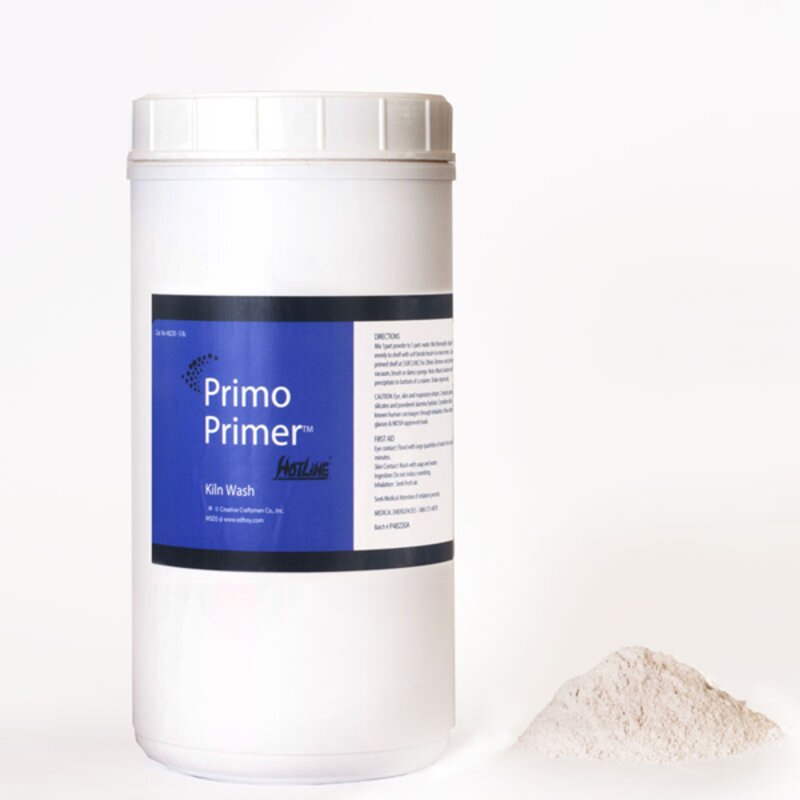
Glass art is a captivating craft that combines creativity with technical skill. One important aspect of this art form is the use of kiln wash, a crucial material that ensures the successful firing of glass pieces. Understanding kiln wash’s role, application, and maintenance can significantly improve the quality of your glass art projects. This article delves into everything you need to know about kiln wash, from its purpose to application techniques, providing a comprehensive guide for both beginners and seasoned artists.
What is Kiln Wash?
Kiln wash is a protective layer applied to the kiln shelves to prevent glass from fusing to the shelf during firing. This essential material serves as a barrier between the glass and the kiln, ensuring that the artwork can be safely removed without damage.
Purpose of Kiln Wash
The primary purposes of kiln wash include:
- Protecting kiln shelves from glaze drips and glass adhesion.
- Facilitating the easy removal of fired glass pieces.
- Extending the lifespan of kiln shelves.
Types of Kiln Wash
There are various types of kiln wash available, each suited to different firing temperatures and glass types. It is important to choose the right kind for your specific project needs.
- Standard Kiln Wash: Suitable for most glass fusing projects.
- Hi-Fire Kiln Wash: Designed for high-temperature applications.
- Specialty Kiln Washes: Tailored for specific glass types or techniques.
Discover expert strategies here.
How to Apply Kiln Wash
Proper application of kiln wash is vital for achieving optimal results. Here are the general steps:
- Preparation: Clean the kiln shelf thoroughly to remove any debris or previous kiln wash residues.
- Mixing: Follow the manufacturer’s instructions to mix the kiln wash to the right consistency.
- Application: Apply a thin, even layer using a brush or roller. Multiple coats may be needed, allowing each to dry before applying the next.
- Drying: Ensure the kiln wash is completely dry before placing glass on the shelf.
Find out more about this approach.
Maintenance and Removal
Regular maintenance of kiln wash is crucial to ensure its effectiveness. Over time, kiln wash can become cracked or contaminated, necessitating removal and reapplication.
- Check for Cracks: Inspect kiln wash before each firing for any visible cracks.
- Removal: Scrape off any old or damaged kiln wash using a putty knife or scraper.
- Reapplication: Apply new kiln wash following the application steps outlined above.
Learn about our tailored solutions.
Conclusion
Kiln wash is a vital component in the preparation and execution of glass art projects. By understanding its purpose, types, application techniques, and maintenance, artists can ensure the longevity and quality of their kiln shelves and glass pieces. For more detailed information and advanced guides on kiln wash for glass art, explore advanced guides and tips.
About the Author