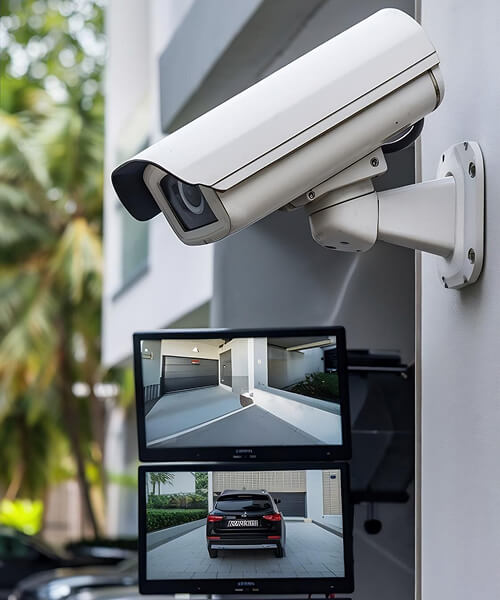
In an era where technology permeates every aspect of daily life, ensuring security has become vital. Leveraging technology for security purposes involves using advanced tools and techniques to protect assets, data, and individuals from various threats. The integration of technology in security measures not only enhances safety but also increases efficiency and response times. This article explores the various ways technology can augment security protocols and the benefits this brings to different sectors.
Technological Advancements in Security Systems
The evolution of technology has significantly impacted the development of security systems. Modern security solutions incorporate a variety of technologies to ensure comprehensive protection. Some of the most notable advancements include:
- Artificial Intelligence (AI): AI enhances security systems by enabling predictive analysis and pattern recognition, allowing for proactive measures against potential threats.
- Biometric Authentication: Fingerprint, facial recognition, and iris scanning technologies provide secure access control, reducing the risk of unauthorized entry.
- Internet of Things (IoT): IoT devices, such as smart locks and cameras, offer real-time monitoring and control over security systems, even remotely.
- Cloud Computing: Cloud-based security solutions offer scalable storage and processing power, enabling efficient data management and analysis. Read more about this topic.
Benefits of Utilizing Technology in Security
By integrating technology into security strategies, several benefits are realized, contributing to more effective and reliable protection mechanisms.
Enhanced Surveillance and Monitoring
Advanced technologies, such as high-resolution cameras and drones, significantly improve surveillance capabilities. These tools enable continuous monitoring of large areas with minimal human intervention, thus increasing coverage and reducing the likelihood of oversight. Explore further insights here: Learn more in this detailed guide.
Improved Incident Response
Technology aids in rapid incident detection and response. Automated alerts and real-time data analytics enable swift action, minimizing damage and loss. This speed and agility in responding to potential threats are crucial in maintaining security integrity. Find additional information here.
Cost Efficiency
Automation and remote monitoring reduce the need for extensive manpower, leading to significant cost savings in operational expenses. By investing in technology-driven security solutions, organizations can allocate resources more effectively, enhancing overall operational efficiency.
Challenges in Implementing Technology for Security
While technology offers numerous benefits, its implementation is not without challenges. Organizations must navigate these hurdles to fully leverage technological advancements for security purposes.
- Technical Complexity: The integration of complex systems requires skilled personnel and thorough training, which can be resource-intensive.
- Cybersecurity Threats: The increasing reliance on technology introduces vulnerabilities that can be exploited by cybercriminals. Ensuring robust cybersecurity measures is essential.
- Privacy Concerns: The use of surveillance technology raises issues regarding personal privacy. Balancing security needs with privacy rights is a critical challenge.
Conclusion
In conclusion, the role of technology in enhancing security measures is indispensable. It offers a multitude of benefits that range from improved surveillance and incident response to cost efficiency. However, it is also essential to address the associated challenges to maximize the potential of these technologies. By understanding and overcoming these barriers, a safer and more secure environment can be achieved. For a deeper dive into leveraging technology for security, explore further insights here.
About the Author