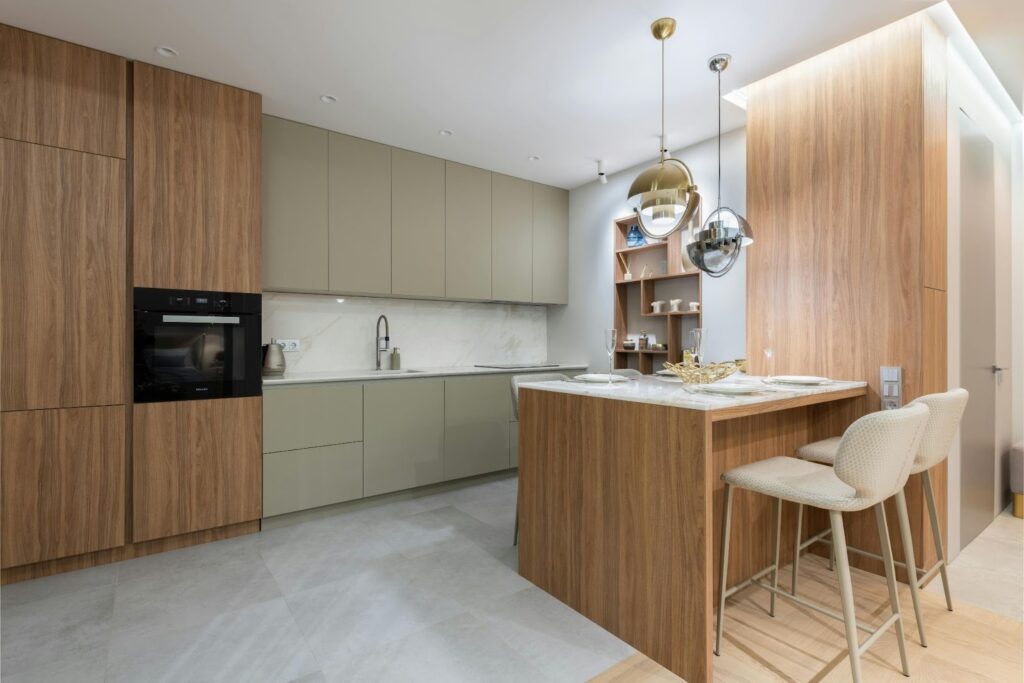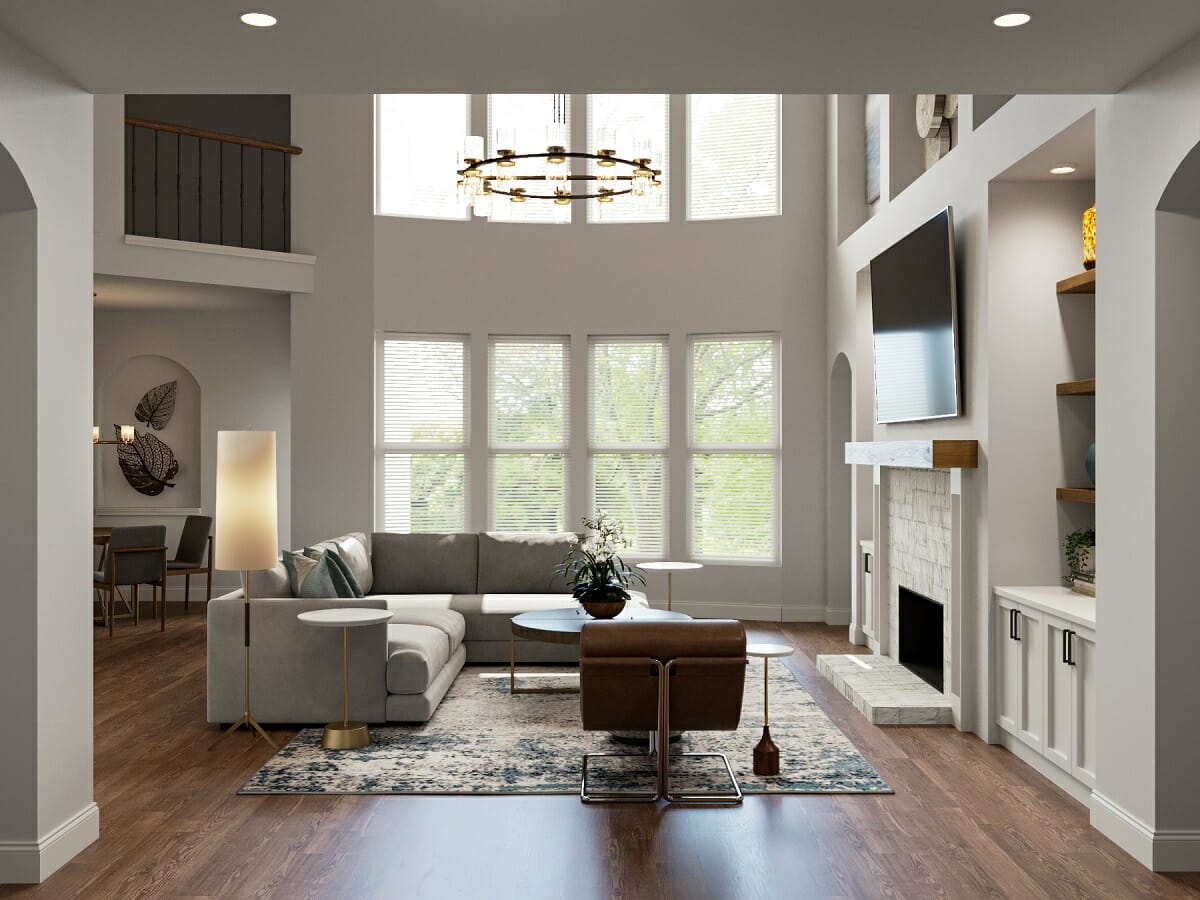
Transforming interiors has taken center stage in today’s design world, with homeowners increasingly seeking to revitalize their spaces. Whether it’s driven by the desire for a fresh look or the need to enhance functionality, the process of revamping an interior can be both exciting and daunting. With the right approach and insights, any space can undergo a remarkable metamorphosis. From minor adjustments to major overhauls, understanding the art of interior transformations can make the journey smoother and more rewarding.
Understanding Your Space
Before embarking on any renovation project, it’s crucial to assess the existing space. This initial step sets the foundation for creating a cohesive design plan. Consider the following:
- Evaluate the current layout and identify any functional issues.
- Determine the primary purpose of the room.
- Take note of existing architectural features that should be preserved or highlighted.
By understanding the core attributes of a space, one can tailor the transformation to enhance both aesthetics and functionality.
Setting a Clear Vision
A successful transformation starts with a clear vision. This involves defining the desired look and feel of the space. Consider these elements:
- Color palette: Choose colors that align with the mood and functionality of the room.
- Style preference: Decide on a style that reflects personal tastes, whether it’s modern, traditional, eclectic, or transitional.
- Budget constraints: Establish a realistic budget to guide decision-making.
With a well-defined vision, the transformation process becomes more focused and efficient.
Incorporating Functional Design
Functionality is a key aspect of any successful interior transformation. Aesthetic appeal should not overshadow practicality. Consider the following strategies:
- Maximize storage solutions to reduce clutter.
- Select furniture that offers both comfort and utility.
- Integrate technology seamlessly to enhance daily living.
By prioritizing function alongside form, the space will not only look beautiful but also serve its intended purpose effectively.
Embracing Innovative Design Trends
Staying abreast of design trends can offer fresh inspiration and keep the space current. Some of the latest trends include:
- Biophilic design: Incorporating natural elements to create a harmonious indoor environment.
- Sustainable materials: Opting for eco-friendly options that reduce environmental impact.
- Smart home features: Integrating technology to enhance convenience and connectivity.
These trends not only elevate the aesthetic appeal but also contribute to a more sustainable and efficient living environment.
Choosing the Right Professionals
While DIY projects can be rewarding, professional insights often bring a level of expertise and refinement that is hard to achieve alone. When selecting professionals:
- Research their portfolio to understand their style and expertise.
- Seek recommendations from trusted sources.
- Ensure clear communication regarding expectations and budget.
Collaborating with skilled professionals can ensure the transformation is executed flawlessly, turning the vision into reality.
Final Thoughts
Interior transformations are about more than just aesthetics; they’re about creating spaces that reflect personal style and enhance quality of life. With careful planning and consideration of both form and function, any space can be transformed into a stunning haven. For those ready to embark on this journey, exploring the world of interior transformations can provide the inspiration and guidance needed to realize a dream space.
About the Author