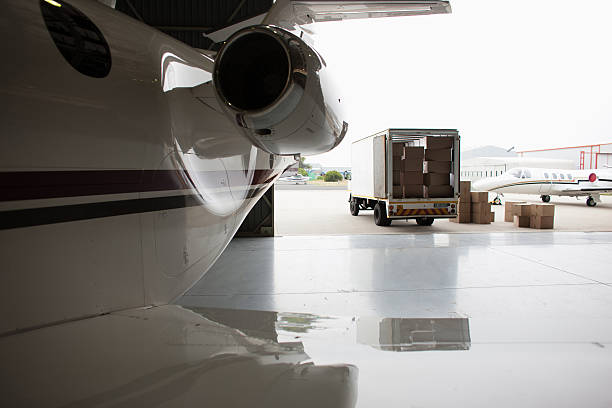
In an era where efficiency and speed are paramount, businesses are constantly seeking ways to optimize their logistics and shipping processes. One of the most effective ways to achieve this is by utilizing domestic air freight solutions. With the capability to transport goods quickly across vast distances, domestic air freight offers a competitive edge in the fast-paced world of commerce. This article explores the benefits and strategies for streamlining the shipping process using air freight, empowering businesses to meet both their operational goals and customer expectations.
Advantages of Domestic Air Freight
Integrating domestic air freight into a shipping strategy offers multiple benefits that can significantly impact a business’s operational efficiency:
- Speed: Air freight is the fastest mode of transport available, drastically reducing delivery times compared to ground or sea transport.
- Reliability: With frequent flights and well-established schedules, air freight ensures a higher level of reliability for time-sensitive deliveries.
- Security: Airports have stringent security measures, reducing the risk of theft and loss of goods during transit.
- Global Connectivity: Despite the focus on domestic operations, air freight leverages a global network, facilitating future international expansions.
Strategies for Optimizing Air Freight Shipping
To effectively leverage domestic air freight solutions, businesses need to adopt strategies that enhance their shipping processes:
Understanding Freight Classes and Rates
Air freight costs can vary based on the classification of goods being transported. Understanding these classifications helps in selecting the right service and managing expenses effectively. Key considerations include:
- Weight and volume of the shipment
- Nature of the goods (e.g., perishable, hazardous materials)
- Delivery time requirements
Utilizing Technology for Efficient Tracking
Embracing technology is crucial for streamlining freight operations. Implementing advanced tracking systems allows businesses to monitor shipments in real time, providing up-to-date information on location and expected delivery times. This level of transparency enhances decision-making and improves customer satisfaction.
Strategic Partnerships with Freight Providers
Building strong relationships with reliable air freight providers is pivotal. These partnerships can offer businesses access to preferred rates, priority scheduling, and tailored services that align with their specific needs. Collaborating closely with providers ensures a seamless transport process, from pickup to delivery.
Considerations for Choosing the Right Air Freight Solution
Selecting the most suitable air freight solution involves evaluating various factors to align with business objectives. Important considerations include:
- Carrier Reputation: Choose carriers with a solid track record for reliability and customer service.
- Service Offerings: Assess whether the carrier provides services that meet specific shipping requirements, such as express delivery or special handling.
- Cost vs. Value: Analyze the cost of air freight in relation to the value it brings in terms of speed, reliability, and customer satisfaction.
Conclusion
Incorporating domestic air freight into a logistics strategy offers a powerful means to enhance shipping efficiency, reliability, and security. By understanding freight classes, leveraging technology, and forming strategic partnerships, businesses can optimize their shipping processes to meet the demands of a dynamic market. Exploring the benefits of domestic air freight ensures that businesses are not only meeting current logistical challenges but are also well-prepared for future growth and expansion.
About the Author