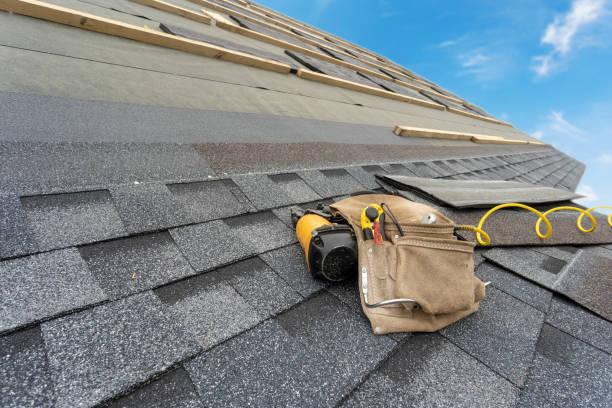
Commercial roof restoration is a vital process for maintaining the integrity and longevity of a building. This practice is not only cost-effective but also environmentally friendly as it extends the life of the roof without the need for a complete replacement. Whether dealing with minor leaks or extensive damage, understanding the fundamentals of roof restoration can save substantial time and resources. In this guide, explore the key aspects of commercial roof restoration, including the benefits, materials used, and steps involved.
Understanding the Benefits of Roof Restoration
Roof restoration offers numerous advantages that make it a preferred choice over full roof replacement. Here are some key benefits:
- Cost-effectiveness: Restoration is generally less expensive than a complete replacement.
- Sustainability: It minimizes waste by reusing existing materials where possible.
- Improved energy efficiency: Reflective coatings can reduce cooling costs.
- Extended roof life: Proper restoration can extend the roof’s lifespan by up to 15 years.
For a deeper dive into why roof restoration is beneficial, read more about this topic.
Materials Commonly Used in Roof Restoration
Reflective Coatings
Reflective coatings are applied to enhance the roof’s ability to reflect heat. These coatings are crucial in maintaining indoor temperatures and reducing energy consumption.
Sealants
Sealants are used to fix leaks and prevent water damage. They play a critical role in ensuring the roof remains watertight and structurally sound.
Membranes
Membranes provide an additional layer of protection against environmental elements. They are particularly useful in areas prone to harsh weather conditions.
Learn more in this detailed guide about the materials that contribute to effective roof restoration by visiting this resource.
The Roof Restoration Process
A structured approach is essential for successful roof restoration. Below are the typical steps involved:
Inspection and Assessment
The initial step involves a thorough inspection to assess the roof’s current condition, identifying areas of damage that need attention.
Cleaning
Cleaning the roof surface is crucial before any restoration work. It ensures that coatings and sealants adhere properly.
Repair and Replacement
Damaged areas are repaired, and necessary replacements are made. This stage may involve patching leaks or reinforcing weak sections.
Application of Coatings and Sealants
Protective coatings and sealants are applied to complete the restoration, enhancing the roof’s durability and energy efficiency.
For additional information on the roof restoration process, explore further insights here.
Choosing the Right Professional for Roof Restoration
Selecting a qualified professional is crucial to ensure the success of the restoration project. Consider the following factors:
- Experience: Look for professionals with proven expertise in commercial roof restoration.
- Reputation: Seek recommendations and check online reviews for feedback on service quality.
- Comprehensive service offerings: Ensure they provide all necessary services, from inspection to maintenance.
To make an informed decision, find additional information here on selecting the best professional for your needs.
About the Author