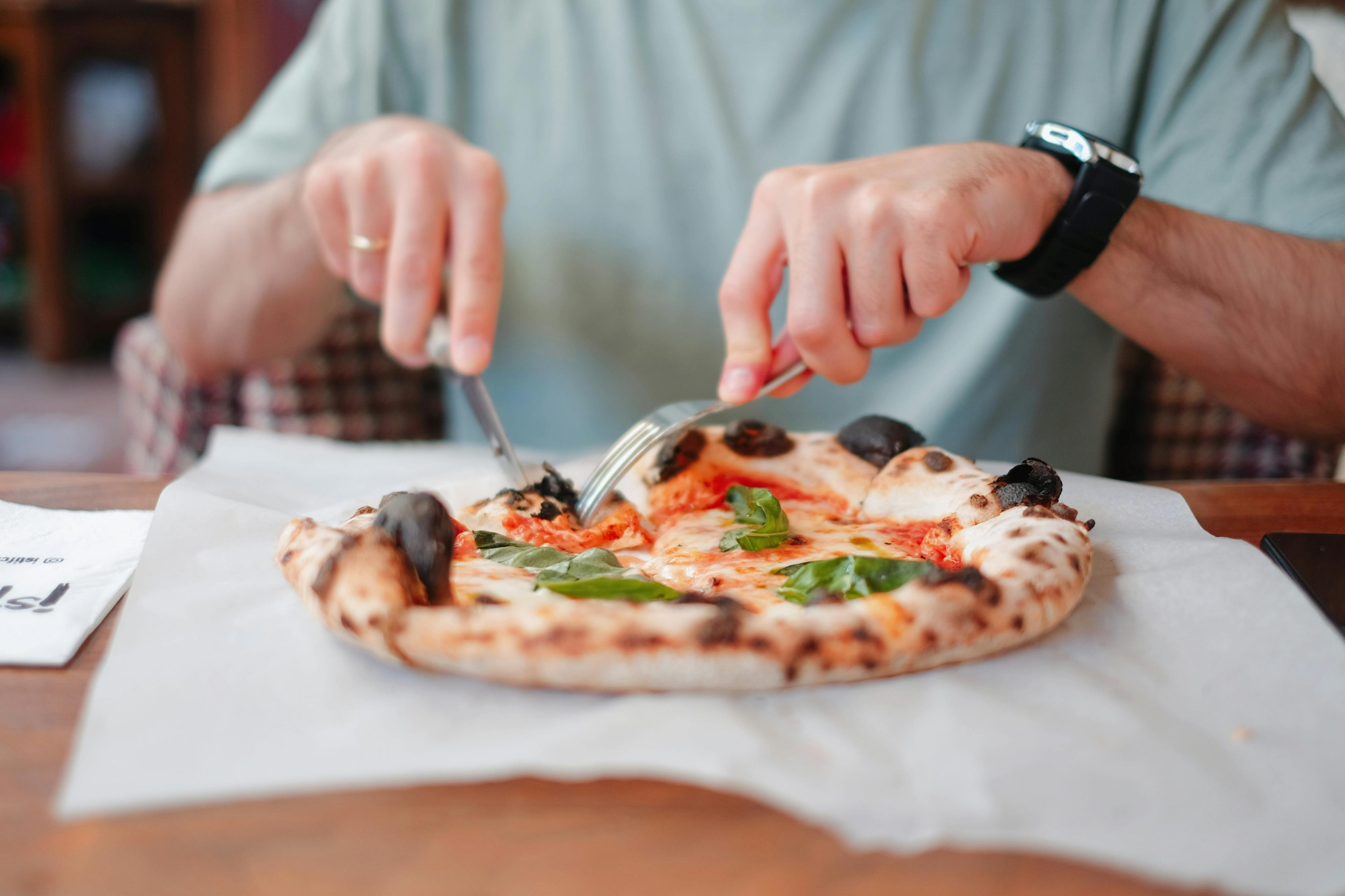
Indulging in traditional Italian dining offers a unique experience that tantalizes the senses and enriches the soul. Italian cuisine is renowned for its rich flavors, fresh ingredients, and a diverse array of dishes that range from simple pastas to intricate seafood creations. Dining in an authentic Italian restaurant provides an opportunity to explore the culinary traditions of Italy, each dish crafted with passion and precision. This article explores the elements that make traditional Italian dining an unforgettable experience and guides you in making the most of your visit to an Italian restaurant.
Atmosphere and Ambiance
The ambiance of an Italian restaurant is as crucial as the food itself. The setting often reflects the warmth and hospitality that Italian culture embodies. A well-decorated space with warm lighting, rustic interiors, and Italian music creates an inviting environment. Here are some elements you might find:
- Warm, earthy tones in the decor
- Traditional Italian music softly playing in the background
- Cozy seating arrangements that encourage conversation
- Artistic touches, such as murals or photographs depicting Italian landscapes
Exploring the ambiance in detail can enhance your dining experience. Learn more in this detailed guide about how the setting complements Italian cuisine.
Traditional Italian Menu
The menu in an Italian restaurant is a testament to the country’s rich culinary heritage. It typically incorporates a wide variety of dishes, each with its own regional flair. Here are some key components of a traditional Italian menu:
Antipasti and Starters
Begin your meal with antipasti, which are appetizers designed to stimulate your appetite. These may include:
- Bruschetta topped with fresh tomatoes and basil
- Caprese salad with mozzarella, tomatoes, and basil
- Cured meats and cheeses, such as prosciutto and parmigiano
Read more about this topic to discover the variety and significance of antipasti in Italian dining.
Primi and Secondi
The first course (primi) typically includes pasta or risotto, showcasing the diversity of Italian dishes. Main courses (secondi) often feature meat or seafood. Popular options might include:
- Classic spaghetti carbonara or lasagna alla bolognese
- Risotto with mushrooms or seafood
- Grilled fish or osso buco
For further culinary insights, explore further insights here.
Dolci and Desserts
No Italian meal is complete without a sweet finish. Traditional desserts offer a perfect end to your dining experience. Consider trying:
- Tiramisu with espresso and mascarpone
- Panna cotta with seasonal fruits
- Cannoli filled with sweet ricotta
Find additional information here about the rich variety of Italian desserts.
Wine Pairings
Wine is an integral part of Italian dining, often paired with each course to complement and enhance the flavors of the food. Italian wines are known for their diversity and quality. Some popular choices include:
- Chianti or Barolo for red meat dishes
- Pinot Grigio or Soave for seafood
- Prosecco or Moscato d’Asti for desserts
Selecting the right wine can elevate your dining experience. Explore further insights here to learn more about wine pairings with Italian cuisine.
About the Author